A few years ago, a client sent me a message that I think about often.
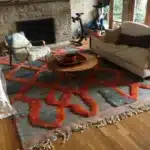
She had bought one of our handwoven Berber rugs a large, ivory wool piece with a bold geometric pattern for her family home outside of London. She had three children under ten and a large dog. She loved the rug. But she was terrified of it.
“What happens,” she wrote, “when someone spills something? What do I do? Can I wash it?”
The question behind her question was really: can something beautiful also be practical?
That question is at the heart of everything people search for when they type “washable area rugs” into Google. They are not just looking for a product. They are looking for permission — permission to own something they love without living in fear of it. And they are looking for honest information about what washable actually means, which materials hold up to washing, and which do not.
I have been making and selling handmade Moroccan rugs from Marrakech for years, shipping to homes across the world. I have answered hundreds of care questions. This guide is every answer I have ever given, in one place.
By the end of it, you will know exactly which rugs can be washed, how to wash them, and most importantly, which type of rug will serve your family for decades rather than seasons.
What Does “Washable Area Rug” Actually Mean?
The term “washable rug” covers a wide spectrum of products and cleaning methods and the difference between them matters enormously before you buy.
At one end, you have rugs marketed specifically as “machine washable” typically synthetic rugs made of polyester or polypropylene, engineered to survive a standard home washing machine cycle. These are convenient, affordable, and increasingly popular in busy family homes.
In the middle, you have rugs that are washable by hand natural fiber rugs, including wool, cotton, and jute, that can be deep-cleaned at home with water and mild detergent, but should never go in a machine.
At the premium end, you have high-quality handmade wool rugs, including authentic Moroccan Berber rugs that are not machine washable, but are absolutely cleanable at home with the right method, and actually improve with careful washing over time.
Understanding which category your rug falls into before you buy will save you frustration, damaged fibers, and expensive professional cleaning bills down the line. The table below gives you a clear overview.
| Rug type | Machine washable? | Hand washable? | Lifespan | Best for |
|---|---|---|---|---|
| Synthetic (polyester / polypropylene) | Yes | Yes | 2–5 years | Rentals, high-spill areas, budget |
| Cotton flatweave | Small sizes only | Yes | 5–10 years | Kitchens, bathrooms, children’s rooms |
| Jute / sisal | No | Spot clean only | 5–8 years | Low-traffic areas, layering base |
| Wool (machine-made) | No | Yes | 10–20 years | Living rooms, bedrooms |
| Handmade wool / Berber (Charaf Designs) | No | Yes — full guide below | 20–50+ years | Any room, investment quality |
Can You Wash a Handmade Moroccan Rug at Home?
Yes. And in many ways, washing a handmade Moroccan rug at home is more straightforward than people expect, because these rugs were designed to be cleaned. They have been washed by hand in Morocco for centuries, using nothing more than water, sun, and simple natural soap.
The key is understanding what harms them and what does not.
What harms a wool rug
The machine washing cycle with its aggressive agitation is the biggest threat. It felts the wool fibers, distorts the weave, and can cause irreversible shrinkage. A washing machine that is fine for your clothes is not appropriate for a handwoven wool rug, regardless of what any “delicate” setting promises.
Harsh chemicals are the second threat. Bleach, ammonia-based cleaners, and most commercial carpet sprays strip the natural lanolin from the wool, the same oil that makes wool naturally stain-resistant and soft underfoot. Once that lanolin is gone, the rug becomes brittle and loses both its beauty and its durability.
The third threat is insufficient drying. A wool rug that is left damp, especially rolled up or folded, will develop mildew, and once mildew sets into wool, it is very difficult to remove.
What does not harm a wool rug
Water used properly does not harm wool. Cold or lukewarm water with a small amount of wool-safe or mild liquid soap is the foundation of every handmade rug cleaning method used in Morocco. Direct sunlight for drying is not just acceptable but beneficial: the UV light kills bacteria and helps the fibers recover their natural volume and softness.
Charaf’s tip The natural wool in an authentic Moroccan rug contains lanolin a natural oil that actually repels stains and dust. This is why a good quality Berber rug can feel cleaner than a synthetic alternative even weeks after being vacuumed. The lanolin is doing the work.

How to Wash an Area Rug at Home: Step-by-Step
The method varies depending on the rug’s material. Here are the three main approaches for synthetic and cotton (machine-washable), for wool and Berber (hand wash), and for any rug (spot cleaning).
Method 1: Machine washing (synthetic and small cotton rugs)
1 – Shake and vacuum first:
Take the rug outside and shake it well. Then vacuum both sides, this removes loose dirt before it turns to mud in the machine.
2 – Check the care label:
Confirm the rug is rated for machine washing. Check the maximum temperature, most washable rugs require cold water only. If no label exists, hand wash instead.
3 – Use a gentle cycle with cold water:
Select the gentlest cycle available. Use a small amount of mild liquid detergent never powder. No fabric softener: it breaks down synthetic fibers over time.
4 – Air dry completely never the dryer:
Lay flat or hang over a rail in a well-ventilated area. Never use a tumble dryer heat causes shrinkage and distorts the backing. Ensure it is completely dry before putting it back down.
Method 2 : Hand washing (wool, Berber, Moroccan rugs)
1 – Choose the right day
Pick a warm, sunny day. You will need outdoor space and several hours of direct sun for drying. Morning is ideal wash early, dry all day.
2 – Pre-clean thoroughly
Take the rug outside and beat it firmly with a broom handle or rug beater to dislodge deep-set dust. Then vacuum both sides on the highest pile setting to remove what shaking loosened.
3 – Lay flat and rinse with cold water
Lay the rug on a clean hard surface a driveway, patio, or lawn works well. Use a garden hose to rinse both sides with cold water until fully saturated.
4 – Apply a wool-safe soap solution
Mix a small amount of wool-safe liquid soap or very mild dish soap into a bucket of cool water. Apply to the rug surface and work gently into the pile using a soft brush or your hands. Never scrub aggressively this damages the weave structure.
5 – Rinse completely
This is the most important step. Any soap residue left in the fibres will attract dirt rapidly once the rug is back in use. Rinse with fresh cold water until the runoff is completely clear.
6 – Remove excess water and dry in direct sun
Use a squeegee or press firmly with clean towels to remove as much water as possible. Then hang the rug vertically on a fence, washing line, or tall ladder in direct sunlight. Allow 12 to 24 hours to dry fully. The rug must be completely dry before bringing it inside.
7 – Restore the pile
Once completely dry, the pile may look flat. Vacuum gently or run your fingers through the fibres to restore their natural volume and softness.
Important: Never take a handmade wool rug to a dry cleaner. The chemical solvents used in dry cleaning strip the natural lanolin from the fibers and often leave behind a smell that does not fully disappear. Professional wet-cleaning by a specialist with experience in Berber and wool rugs is the only alternative to home washing for deep stains.
Method 3: Spot cleaning (all rug types)
For spills and stains caught immediately, spot cleaning is almost always sufficient and it is the method you will use most often. Act within the first few minutes for the best results.
Blot never rub the spill with a clean cloth or paper towels. Rubbing spreads the stain deeper into the pile. Once you have absorbed as much liquid as possible, apply a small amount of cold water mixed with mild soap and continue blotting. For stubborn stains, a paste of baking soda and water left on the area for 30 minutes before vacuuming works well on most materials. Never use bleach or ammonia-based cleaners on any natural fiber rug.

Have a question about caring for your rug?
I personally answer every message from Charaf Designs customers — if you are unsure about the right washing method for your specific rug, just ask.
The Best Washable Area Rugs by Room
The right rug for each room depends on two things: how much traffic and potential for spills the space sees, and what aesthetic you are going for. Here is my room-by-room guide.
Cotton flatweave
Handmade wool
Machine-washable
Kilim flatweave
Beni Ourain wool
Machine-washable runner
Washable Rug Materials: What to Know Before You Buy
Wool: the gold standard
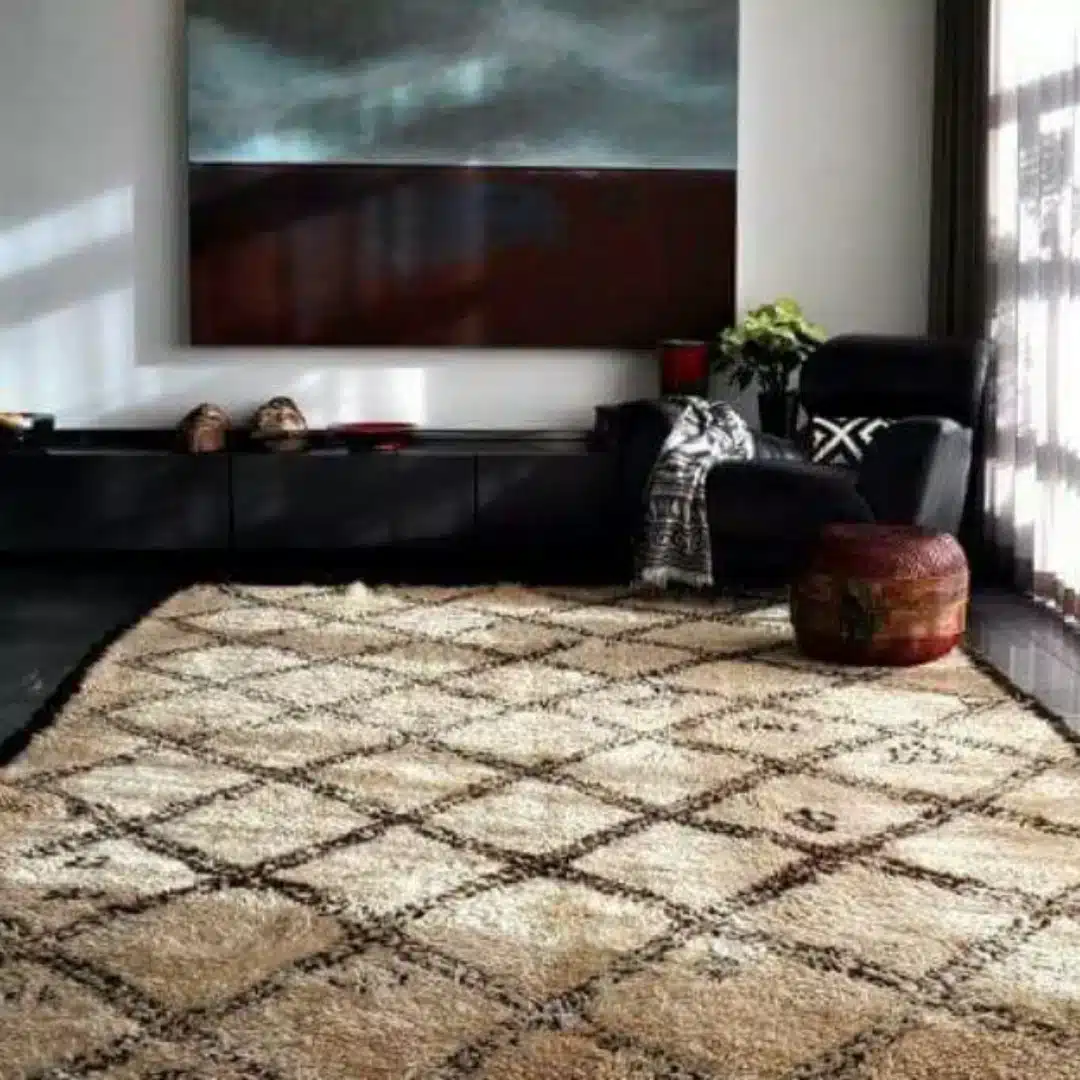
Natural wool is the most misunderstood rug material when it comes to washing. Most people assume wool rugs are fragile and difficult to clean. The opposite is true. Wool contains lanolin a natural wax that repels water and stains at the fiber level. A genuine wool rug resists spills far more effectively than a synthetic rug, and when it does need cleaning, it responds beautifully to the hand-washing method described above. The authentic Moroccan rugs in the Charaf Designs collection are made from natural wool hand-spun by Berber artisans in the Atlas Mountains a material that has served families in demanding conditions for centuries.
Cotton: the practical choice
Cotton flatweave rugs are the most genuinely machine-washable natural fibre option. They are lightweight, easy to handle, available in bright colours, and reasonably durable. Their main limitation is lifespan cotton fibres under heavy foot traffic typically last 5 to 10 years, compared to 20 to 50 for a good quality wool rug.
Synthetic fibers (polyester, polypropylene)
Synthetic rugs offer the greatest convenience for washing most can go straight into a home washing machine. Their drawback is durability and aesthetic: they rarely develop the patina and character of a natural fiber rug, and most show their age clearly after a few years of use. They are the right choice for short-term or high-intensity situations a young child’s bedroom, a rental property but not for a room you want to invest in long-term.
Jute and sisal: spot clean only
Natural plant fibre rugs are beautiful and popular as base layers for rug layering, but they are the least washable option. Water causes jute fibres to swell and potentially rot, and over-wetting leads to brown staining that is very difficult to remove. Spot cleaning with a dry cloth is the only recommended method.
Washable Area Rug Sizes: Which Size Do You Need?
Choosing the correct size is one of the most important and most commonly mishandled decisions in rug buying. Too small the most common mistake makes a room feel unresolved and furniture look disconnected. Too large fills the room in a way that reads as wallpaper rather than an intentional design element.
| Room | Recommended rug size | Placement rule |
|---|---|---|
| Living room (standard) | 240 × 300 cm (8 × 10 ft) | Front legs of all seating on the rug |
| Living room (large) | 270 × 365 cm (9 × 12 ft) | All furniture legs on the rug |
| Dining room | At least 60 cm beyond table on all sides | All chair legs on rug when pulled out |
| Bedroom (king) | 270 × 365 cm (9 × 12 ft) | 60 cm visible on each side of the bed |
| Bedroom (queen) | 240 × 300 cm (8 × 10 ft) | 60 cm visible on each side of the bed |
| Kitchen runner | 60 × 180–240 cm (2 × 6–8 ft) | Centred in front of the worktop or island |
| Hallway runner | 15–20 cm narrower than the hallway | Centred with equal floor visible on both sides |
Custom sizing from Charaf Designs Because every rug in our collection is made by hand in Marrakech, we can produce any rug in a custom size. If your room requires a non-standard dimension common in older homes or unusual layouts just send us the measurements and we will weave it to fit precisely.
How Often Should You Wash an Area Rug?
The answer depends on the material, the room, and whether you have children or pets but here is a practical framework used by most professional rug care specialists:
Weekly
Vacuum all rugs in high-traffic areas. Use the highest pile setting to avoid damaging fibres. Vacuum both sides of natural fibre rugs at least monthly to prevent dust from building up in the weave.
As needed
Spot clean spills immediately. Acting within the first few minutes prevents the vast majority of permanent stains on any rug material.
Every 6–12 months
Deep clean rugs in high-traffic rooms kitchen, hallway, living room with children or pets. For synthetic and cotton rugs, this means a machine wash. For wool and Berber rugs, this means the full hand-washing method described above.
Every 1–2 years
Deep clean bedroom rugs and other low-traffic areas. For handmade wool rugs in low-traffic bedrooms, professional cleaning every two years is often sufficient alongside regular vacuuming.
Twice a year
Hang all natural fibre rugs outside in direct sunlight for several hours. The UV light kills bacteria and refreshes the fibres even without a full wash. In Morocco, this is standard maintenance practice — rugs are hung outdoors after the long winter months and again in early autumn.
Why a Handmade Rug Outlasts Every “Washable” Synthetic
The washable rug market dominated by brands like Ruggable, Wayfair’s synthetic collections, and mass-produced machine-washable options has made rug care convenient. But convenience and longevity are not the same thing.
A typical machine-washable synthetic rug has a lifespan of two to five years. It is designed to be replaced. The fibres compress, the colours fade, the backing deteriorates. Each wash cycle accelerates this decline slightly, because synthetic fibres break down under both use and washing in a way that natural fibres do not.
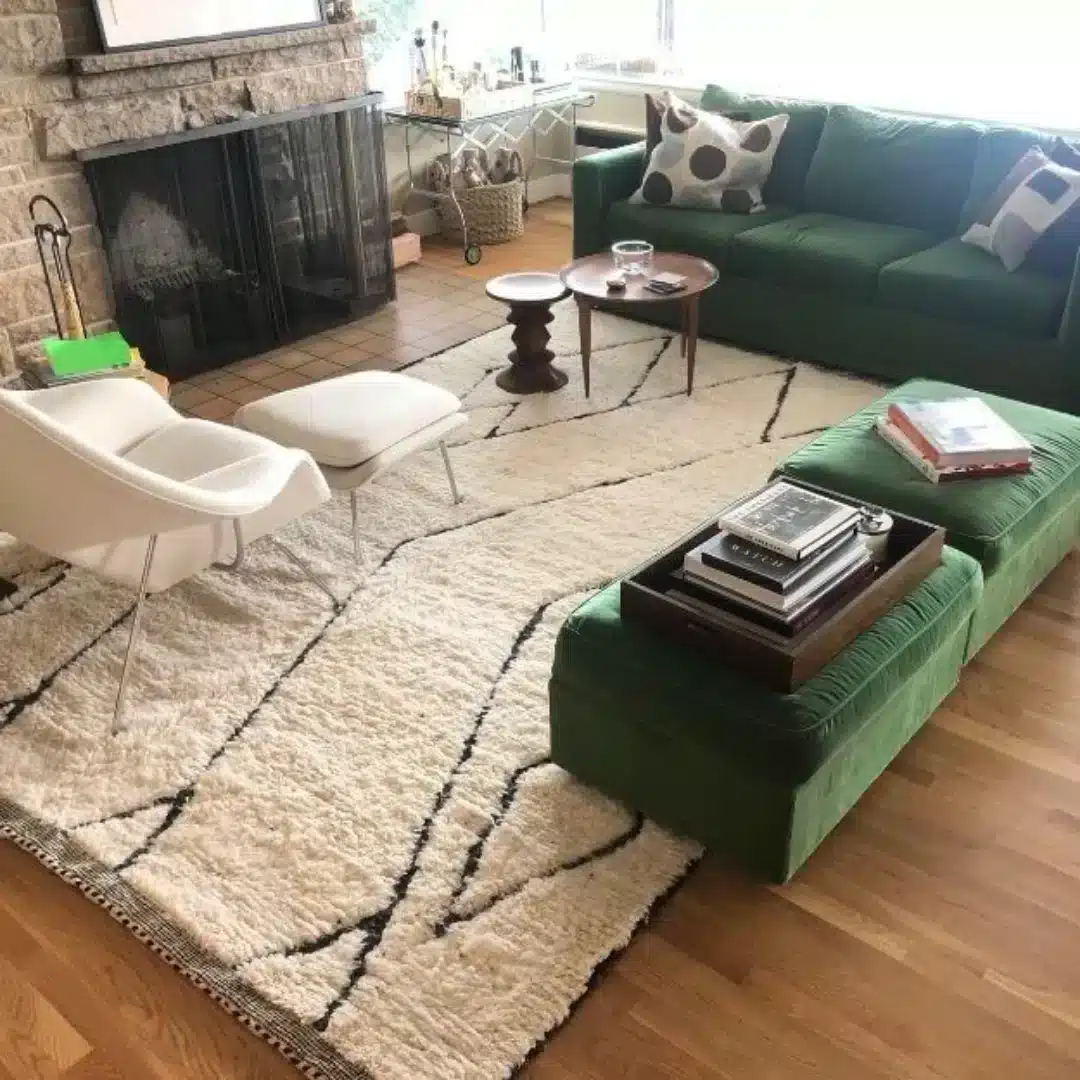
A handmade Moroccan wool rug cared for with the simple method described in this guide will last 20, 30, 50 years. The wool fibres do not break down under washing. They become softer. The colours, dyed with natural pigments, develop a depth over time that synthetics cannot replicate. The rug becomes, over years of use and care, more beautiful than it was on the day it arrived.
My client in London the one who was afraid to put her children near her Berber rug — messaged me again two years after her purchase. The rug had been washed twice at home following the method above. The dog had slept on it. The children had eaten on it. It looked, she wrote, better than it did the day it arrived.
That is the true meaning of a washable rug.
Frequently Asked Questions
Can you put an area rug in the washing machine?
It depends entirely on the material. Synthetic and small cotton rugs labelled as machine-washable can go in on a cold, gentle cycle. Wool, jute, sisal, and large handmade rugs should never be machine washed the agitation damages the fibers and can cause irreversible shrinkage. When in doubt, hand wash or spot clean.
How do you dry an area rug after washing?
Always air dry, never machine dry. Lay flat or hang vertically in a well-ventilated area ideally in direct sunlight, which helps kill bacteria and restores the fibers. Ensure the rug is completely dry before returning it to the floor. A damp rug on a floor can cause mildew, damage flooring, and produce an unpleasant smell. For wool rugs, allow at least 12 to 24 hours.
Are washable rugs worth it?
Machine-washable synthetic rugs are convenient but short-lived typically 2 to 5 years before they need replacing. A handmade wool rug requires more care but lasts 20 to 50 years. Over a ten-year period, a quality handmade rug almost always costs less per year than replacing synthetic rugs every few years and it will still be beautiful at the end, while the synthetic will be in landfill.
What is the easiest type of rug to clean?
For pure convenience, a machine-washable synthetic or cotton flatweave is the easiest to clean it goes in the washing machine and comes out ready to use. For natural fibers, a low-pile cotton or flatweave wool kilim is the easiest to spot-clean and hand-wash because of its flat, dense construction. High-pile and shag rugs of any material are the hardest to clean thoroughly.
Can a Moroccan rug be washed at home?
Yes, and it has been for centuries. The traditional Moroccan method involves beating to remove dust, hand-washing with cold water and mild soap outdoors, and drying in direct sunlight. The natural wool in authentic Moroccan rugs is robust, and the process described in this guide is safe for any genuine handmade Berber rug from Charaf Designs. If you are ever unsure about your specific rug, contact us directly via WhatsApp and we will advise you.
How do I remove a stain from a wool rug?
Act immediately. Blot never rub with a clean cloth to absorb as much of the spill as possible. Apply cold water with a small amount of mild soap and continue blotting. For dried stains, a paste of baking soda and cold water left for 30 minutes before gentle brushing and vacuuming is effective. Never use bleach, ammonia, or hot water on wool. For stubborn stains, contact Charaf Designs for specific advice before attempting further cleaning.
How long does a washable rug last?
A machine-washable synthetic rug typically lasts 2 to 5 years with regular use and washing. A well-made cotton rug lasts 5 to 10 years. A genuine handmade wool rug properly cared for lasts 20 to 50 years or more. Many of the Berber rugs we produce at Charaf Designs in Marrakech will outlast the people who buy them, becoming family heirlooms over time.
The Rug That Lasts a Lifetime
There is a reason the question “can I wash it?” is the first thing most rug buyers ask. It is the same reason my London client was afraid of her Berber rug before she understood how to care for it: a rug is an investment, and the fear of damaging it is real.
But the most washable rug is not necessarily the most convenient to wash. It is the one that survives decades of washing without losing its beauty. And that rug every time is one made by hand, from natural wool, by people who have been making them for generations.
Everything I make at Charaf Designs is designed to be lived with. Washed when it needs washing, dried in the sun, vacuumed on a Tuesday, spilled on by children and dogs, and still beautiful twenty years from now.
That is what washable really means.
Charaf — Founder of Charaf Designs