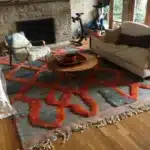
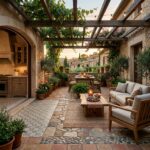
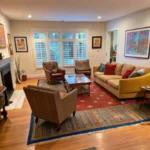
I want you to imagine a house. A beautiful house, in fact.
Step inside and the kitchen is everything it should be. The floor is warm stone. A carefully chosen rug sits under the table. The light is right. The shelves are thoughtful. Every corner of the room has been considered, adjusted, lived in.
Now look through the back door.
Outside: a slab of grey concrete, unchanged since the house was built. A sun bleached plastic chair. A pot of something that may once have been herbs. The garden beyond it is lovely but the space between the door and the garden feels like the house ran out of ideas right at the threshold.
This is the most common design problem I encounter. We spend years getting the inside right and leave the outside as an afterthought. A holding space. A gap between the building and the garden that nobody quite got around to.
In 2026, that is changing. And the single most transformative move you can make is the one that most people treat last: the floor.
The right outdoor tile does not just change how a patio looks. It changes what a patio is. It turns a slab into a room. And once you have a room, everything else follows the furniture, the lighting, the rugs, the plants, the evenings you spend there.
This guide will show you exactly how to choose it.
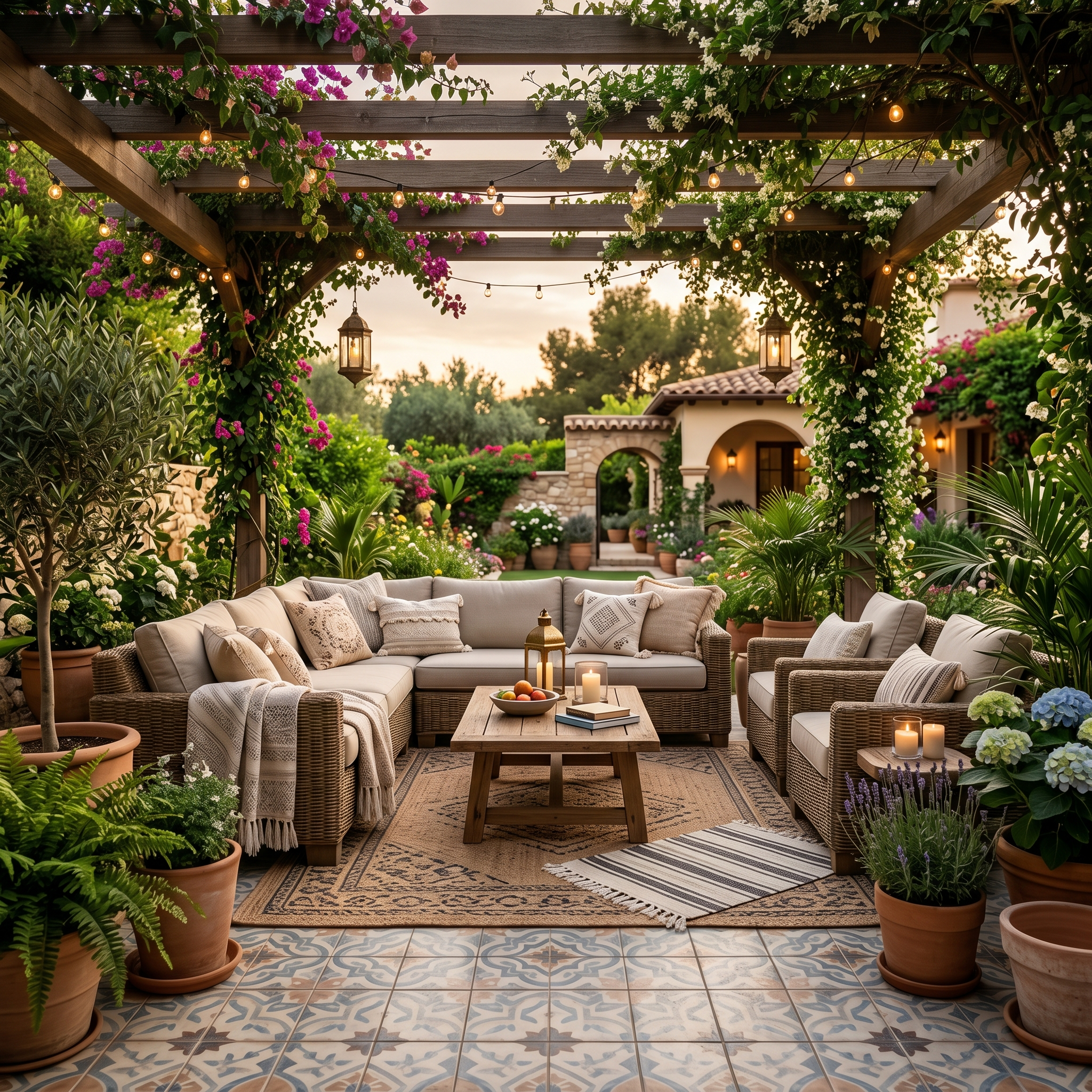
The Outdoor Room Revolution of 2026
The outdoor room is not a new idea. But in 2026, it has become a design standard rather than a luxury aspiration. Patios, courtyards, and terraces are no longer the last line in a renovation budget. They are the first conversation.
The shift has been gradual and then sudden, driven by how we actually live. More time at home. More awareness of the quality of everyday space. A growing recognition that a square metre of outdoor space, treated with the same design intention as an interior room, delivers more value to daily life than almost any other investment you can make in your home.
Designers and architects describe the same thing in different ways. Outdoor spaces are now being treated as extensions of the primary living areas shaped with the same attention to surface treatment, spatial logic, and material quality as any interior room. The patio edges should align with the window mullions, the rooflines, the interior sightlines. The outdoor room is part of the house, not an appendage.
And at the centre of this shift is the floor.
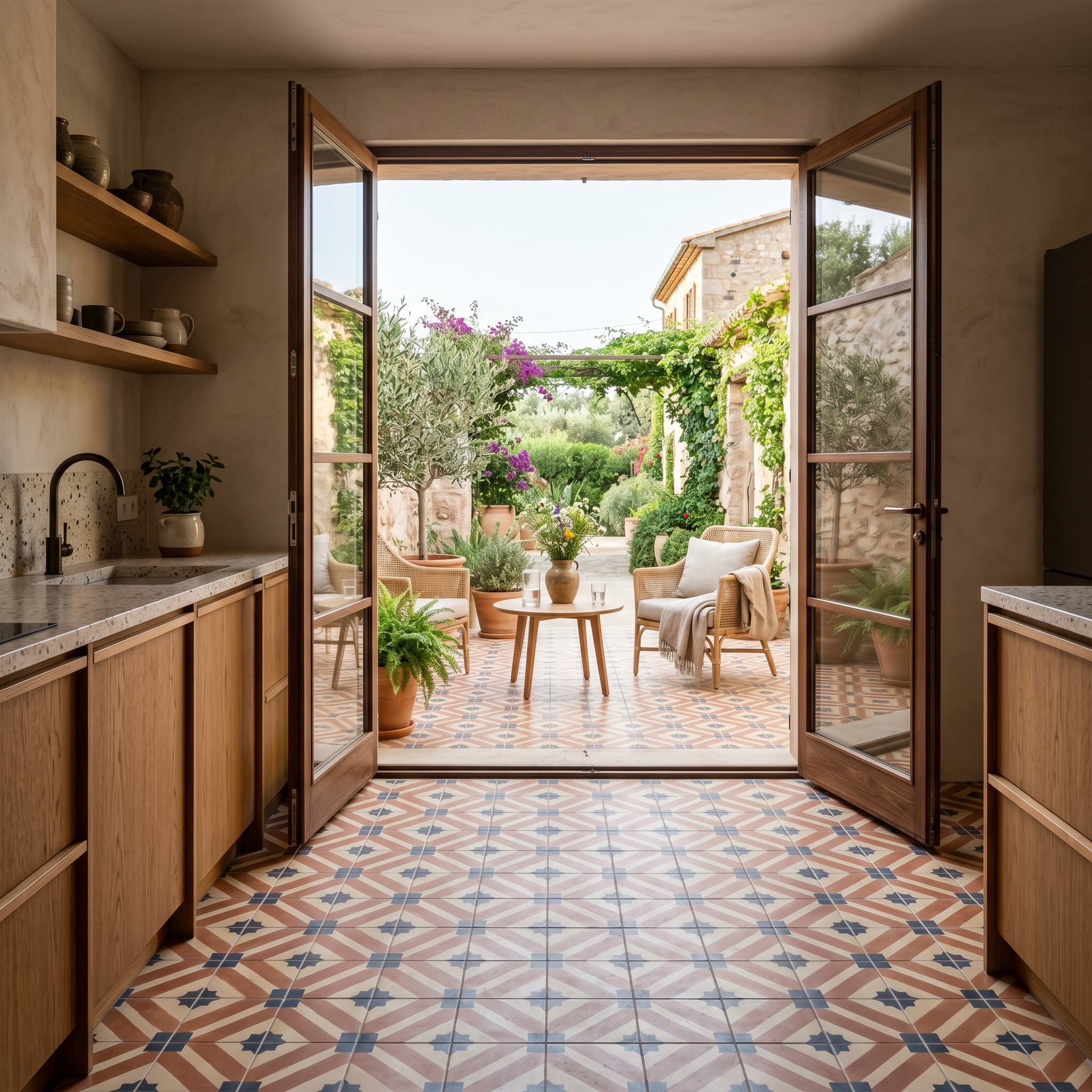
Outdoor patio tiles that echo the interior floors are a major 2026 direction, especially for covered patios, courtyards, and hospitality terraces. A coordinated patio floor makes a home feel larger, more considered, and more elevated because it signals that the design did not stop at the door.
At Charaf Designs, this is a philosophy we have held since the beginning. The same handmade tile that covers a kitchen floor or a bathroom wall belongs in the courtyard beyond it. The craftsmanship does not stop when the door opens. Neither should the design.
The Best Tile Materials for Outdoor Rooms
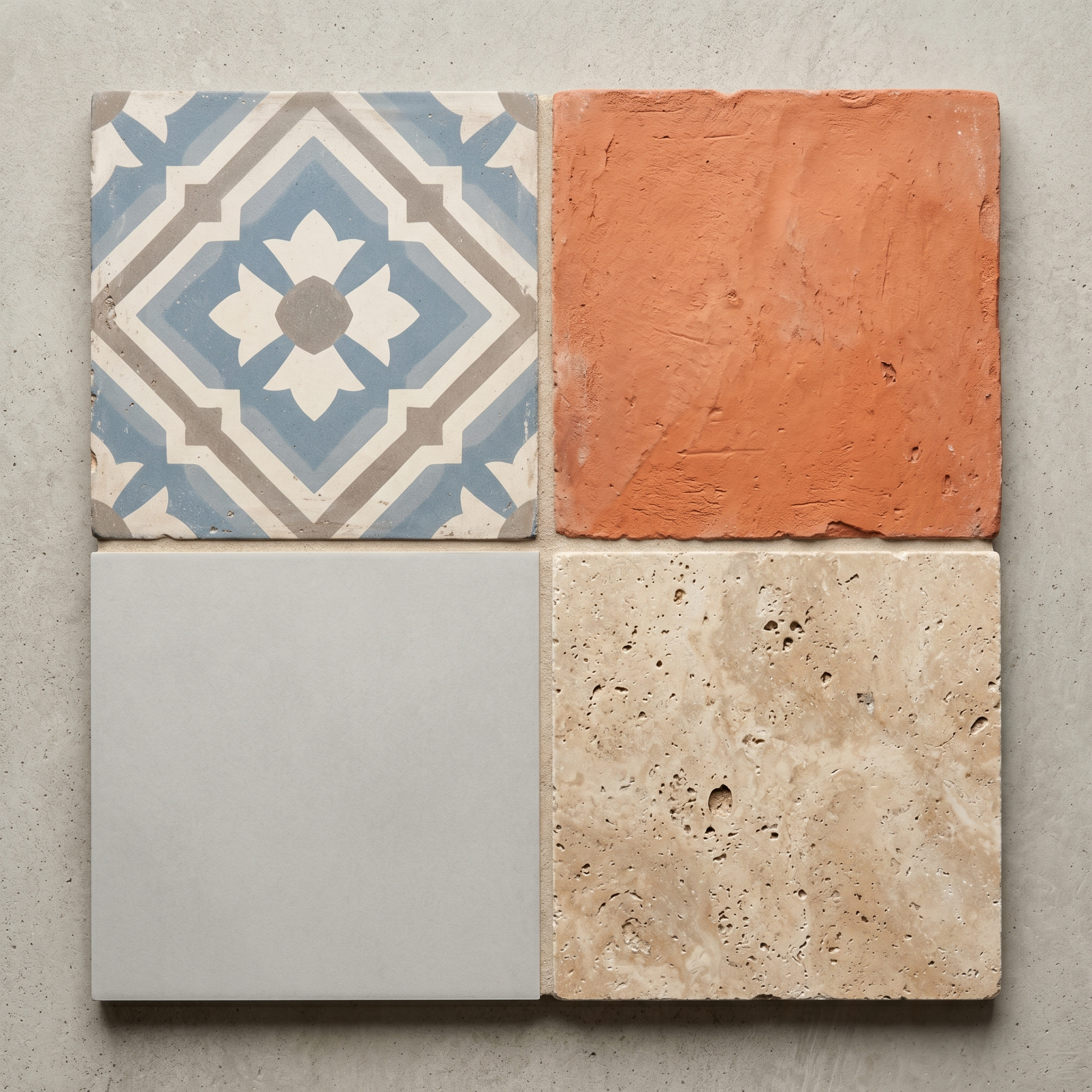
Before choosing a tile, you need to understand what each material can and cannot do outdoors. The outdoor environment asks more of a tile than any interior condition thermal expansion, rain, frost, UV exposure, and foot traffic in all weathers. The right material for your outdoor room depends on your climate, the level of shelter, and the aesthetic you are trying to achieve.
Handmade cement and terracotta tiles
In warm climates, cement and terracotta tiles are the most beautiful and the most timeless option available. Handmade cement tile brings bold pattern and visual weight to an outdoor space. Its crafted nature gives patios and porches a strong architectural presence that no factory made tile can replicate. Terracotta, the earth fired material that has been used in outdoor floors for thousands of years, stays cool underfoot in hot weather and improves in character with age.
The caveat is honest: both materials require proper sealing and perform best in covered patios or low moisture areas in cold climates. In warm climates and in any covered courtyard, they are the superior choice by a significant margin. At Charaf Designs, every tile we produce for outdoor use is made to the same standard as our interior tiles the same clay, the same firing, the same glaze with explicit guidance on sealing and maintenance for your specific climate.
Porcelain pavers
Porcelain pavers are the most practical outdoor tile for cold and wet climates. Large format, frost resistant, stain resistant, and available in a wide range of finishes from stone look to wood look, they are the default choice for contemporary outdoor rooms in northern Europe and North America. Their limitation is character a porcelain paver looks clean and reliable, but it does not age with the same beauty as a natural or handmade material. The solution: use porcelain as the primary surface and introduce handmade tile in a feature zone or border.
Natural stone, limestone, travertine, slate
Travertine is the resort material warm, refined, and cool underfoot in hot climates. It looks better around a pool than almost anything else available and gives a garden terrace the quality of a Mediterranean hotel. Slate is the rugged choice its layered natural texture provides grip in wet conditions and adds genuine character to garden pathways and patios. Limestone sits between the two: warm, soft in tone, and beautiful with planting. All three require sealing on installation and periodic maintenance, but when maintained they develop a patina that gets more beautiful over decades.
| Material | Best climate | Maintenance | Character | Cost range |
|---|---|---|---|---|
| Handmade cement, terracotta | Warm, covered areas | Seal annually | High, artisanal, unique | Premium |
| Porcelain pavers | All climates | Very low | Modern, clean, reliable | Mid to high |
| Travertine, limestone | Warm to temperate | Seal on install, reseal every 2 years | Timeless, refined, resort quality | Mid to high |
| Slate | Temperate to cool | Low | Rugged, organic, grippy | Mid |
| Brick, cobblestone | All climates | Low | Traditional, durable, character | Mid |
8 Outdoor Room Tile Ideas That Work in 2026
The following ideas cover every outdoor space type, from a small urban courtyard to a large covered terrace. Each one is a complete design direction not just a tile choice but a whole approach to the floor and what it does to the room above it.
Idea 1: The Seamless Indoor to Outdoor Floor
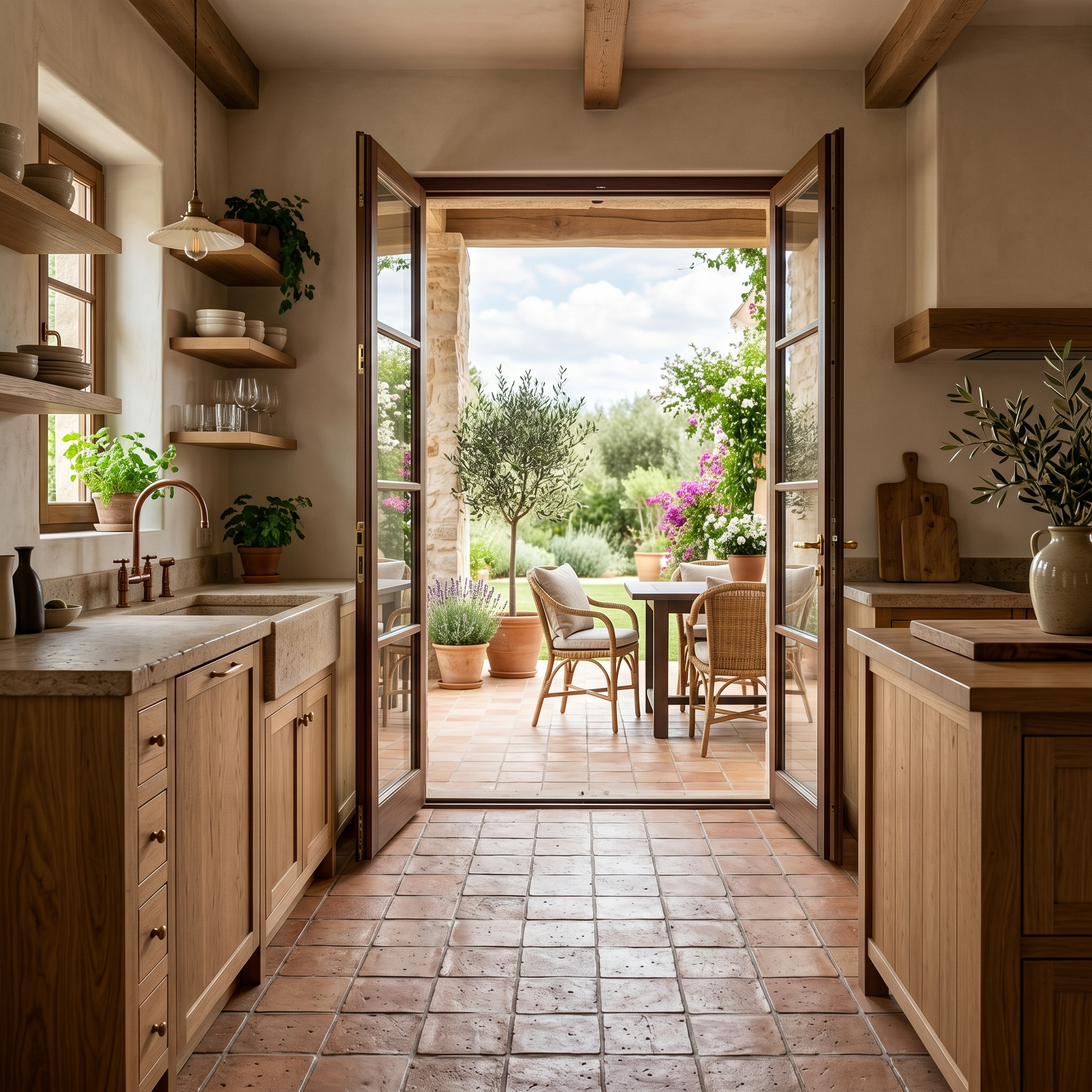
The most powerful outdoor tile move in 2026 is also the simplest to describe: use the same tile inside and outside. The floor of the kitchen or living room continues, uninterrupted, through the back door and out onto the patio. No threshold, no contrast, no visual break.
The effect is dramatic. Research consistently shows this approach increases the perceived size of the indoor space by 20 to 30 percent the eye reads the room as extending outward, and the boundary between inside and outside dissolves. It also communicates something important about the quality of the home: every surface has been considered as part of a whole.
At Charaf Designs, we produce matched indoor and exterior tile sets. Same glaze, same colour, same pattern — one in standard interior thickness, one in the heavier outdoor rated version. If you are planning a renovation that includes both an interior floor and an adjacent outdoor space, this is the single most impactful design decision available to you.
Pairs with: Any interior tile specification. Works especially well with handmade cement tile or terracotta in covered outdoor areas. Use porcelain pavers as the outdoor version for cold climate applications.
Idea 2: The Patterned Feature Zone, or the Tile Rug
Rather than tiling an entire patio in pattern, use a defined central zone of patterned handmade tile surrounded by plain stone or porcelain. The framed zone creates an intentional visual moment what designers are now calling a tile rug, a patterned tile layout that anchors furniture the same way a real rug anchors a seating arrangement indoors.
This is the outdoor equivalent of layering rugs. The plain surround is the base. The patterned zone is the statement. The border between them visible on all sides, like a frame is what makes the whole arrangement read as designed rather than accidental.
It is also the most cost effective way to introduce beautiful handmade tile into an outdoor space. You invest in a quantity of decorative tile for the central zone and use a more affordable material for the surrounding area. Maximum impact, controlled budget.
Pairs with: Plain natural stone or porcelain surround. Feature zone in handmade cement or zellige pattern tiles. Place the zone under or just in front of the outdoor dining table or seating group.
Idea 3: The Terracotta Warm Weather Patio
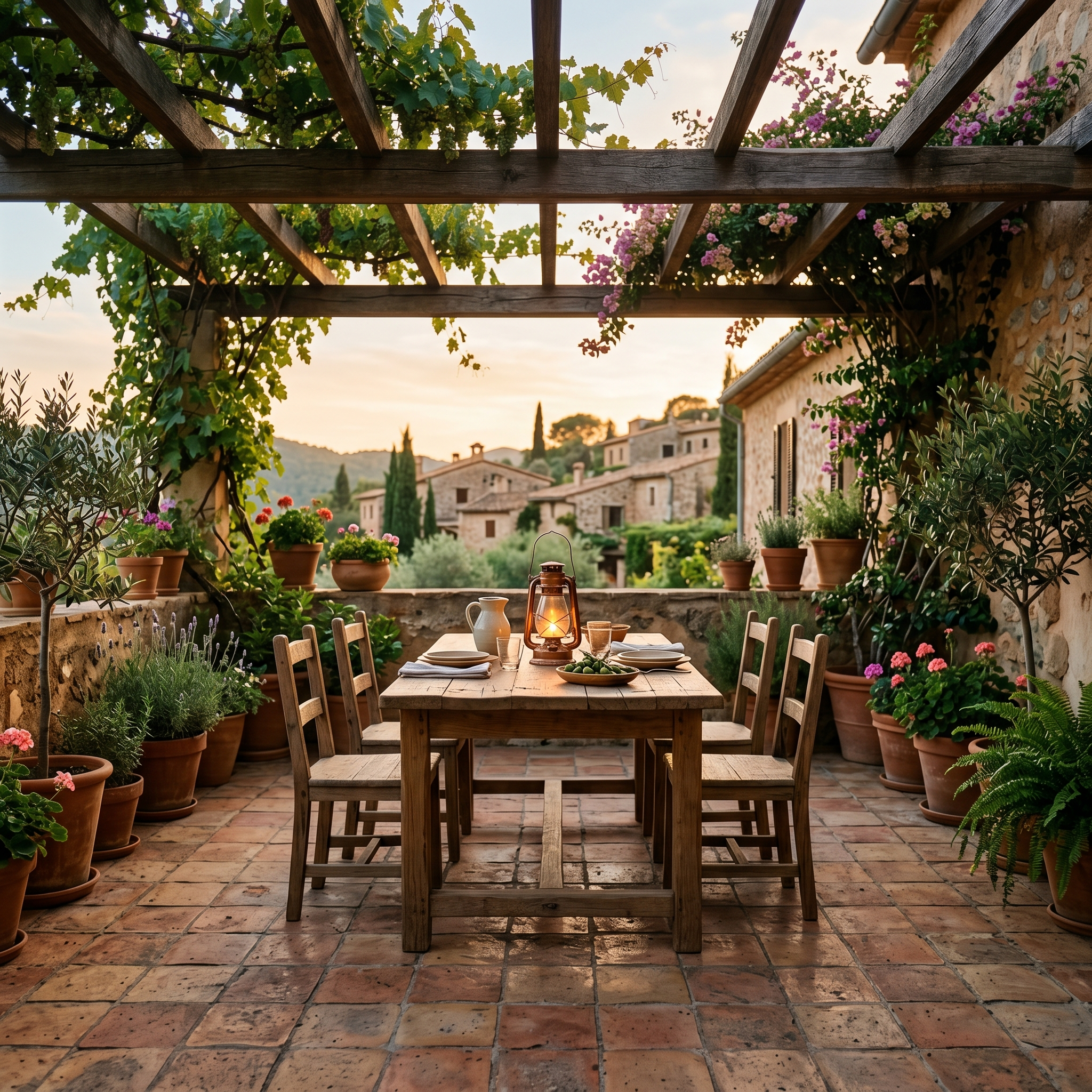
Terracotta across a covered patio floor is one of the most timeless outdoor rooms you can create. The warm, earthy colour of the fired clay shifts through the day deeper in the morning, almost amber at noon, glowing in the evening light. It ages with grace, developing the kind of natural patina that synthetics spend their entire lives trying to imitate.
Elements of Spanish Revival and Mediterranean design patterned tiles, textured stucco, arched openings are appearing in modern patios that have no traditional roots. The goal is not replication. It is the feeling of warm, unhurried space that the right floor material communicates before a single piece of furniture has been placed.
Simple whitewashed walls, timber furniture, potted citrus trees, and a handmade lantern on the table as the evening arrives. The terracotta floor holds it all together without trying.
Pairs with: Whitewashed or limewashed walls. Natural linen or cotton outdoor cushions. Woven outdoor rugs. Moroccan style lanterns for evening light. Works in any warm climate, indoors or on a covered terrace.
Idea 4: The Monochrome Stone Courtyard
Large format natural stone or porcelain in a single warm neutral sandy limestone, pale travertine, warm grey slate across the full courtyard floor. No pattern, no contrast, no complexity. Just the calm of a single material covering a whole space.
Restraint in the floor allows everything else to be the story. A sculptural fig tree in a terracotta pot. A wall fountain. A carefully placed outdoor lamp that casts warm light after dark. The floor becomes the stage, not the performance.
This approach works especially well in walled urban courtyards where the architecture provides the drama and the floor’s job is to hold it all quietly. Choose a stone with natural grain variation limestone and travertine move slightly in tone across each piece so the restraint reads as rich rather than empty.
Pairs with: Architectural planting, sculptural ceramics, minimal furniture, statement lighting. Let the space and the objects do the work. The floor disappears into the background, which is exactly right.
Idea 5: The Mixed Material Patio
A central area of patterned handmade tile surrounded by timber decking, with gravel borders leading toward the garden. Each material plays a different role: the tile defines the room, the timber adds warmth at the edges, the gravel marks the transition to the garden beyond.
Mixed material patios break up the visual weight that a single large hard surface creates. Designers are moving toward materials that add texture, variation, and a closer connection to the garden rather than a flat uniform plane. The mixed approach achieves this by giving each zone a different character, a different feel underfoot, a different relationship to the light.
The key to making it work is keeping the transitions intentional. Each material should have a clear boundary a timber edge, a metal strip, a change in level. Transitions that look accidental undermine the whole composition.
Pairs with: Handmade cement or terracotta tiles in the central zone. Hardwood or composite decking at the perimeter. Gravel or planted borders beyond. Outdoor rugs on the tiled zone to further define the room.
Idea 6: The Bordered Pathway and Step Detail
Using handmade patterned tiles on step risers and pathway borders is the highest impact, lowest cost application of decorative tile in any garden. The floor itself stays plain natural stone or porcelain but every step edge and path junction is finished with a band of color and pattern. The result feels lavish and intentional while using a relatively small quantity of the more expensive handmade material.
Tiled step risers carrying earthy colors like ochre and sea green integrated into structural forms the goal is subtle references that add historic depth to clean contemporary outdoor spaces. Each time a visitor walks up a step or turns a path corner, they encounter a moment of craft. It accumulates.
Pairs with: Plain limestone or porcelain for the main surfaces. Handmade cement or zellige tiles on risers and borders. Choose a tile colour that picks up on a tone already present in the planting or the architecture.
📸 Photo suggestion Garden steps with patterned tile risers, plain stone treads, plants spilling over the edges
Idea 7: The Relaxed Boho Outdoor Room
A simple terracotta or stone floor. Floor cushions resting where the shade moves. Rugs overlapping just enough to soften the seating edge. Low stools, hanging lanterns, pots with visible hand throw marks. Placement that follows the use rather than imposing a grid on the space.
The boho outdoor room has not lost its momentum because it is fundamentally honest. It looks like it has been arranged for people rather than for photographs, and yet it consistently produces extraordinary photographs. The secret is that the floor stays simple and the layers on top of it carry the character. Your handmade tiles provide the calm base. Your rugs and lamps provide the warmth above it.
Pairs with: Flatweave kilim or Berber rug over the tile. Low timber furniture. Handmade lanterns hung at different heights. Abundant planting at every level from ground cover to overhead climbing plants.
Idea 8: The All Season Outdoor Kitchen
A fully covered outdoor kitchen is the most ambitious outdoor room project and the one that delivers the greatest return on investment both in daily use and in property value. The floor material should be the same tile as the interior kitchen, extended seamlessly outside. The cooking zone backsplash should carry the same tile as the interior kitchen backsplash zellige, handmade cement, or terracotta creating a complete indoor to outdoor visual continuity.
Natural stone, large format porcelain pavers, and sustainably sourced wood are the benchmark materials for high end outdoor environments in 2026. All season outdoor living means patios featuring infrared heaters, fire features, and outdoor kitchens as standard. The tile floor is the foundation that makes all of it feel permanent rather than improvised.
Pairs with: Same interior kitchen tile specification extended outside. Zellige or handmade cement on the outdoor cooking backsplash. Durable stone underfoot. Link to our outdoor kitchen backsplash cluster article for full guidance.
Indoor Outdoor Tile Continuity, The Designer’s Secret
Of all the outdoor tile decisions available, indoor outdoor continuity delivers the most impact per decision. It requires forethought you need to specify the interior tile and the exterior tile at the same time but the result transforms how a home reads both from inside and from the garden.
One of the most popular patio flooring approaches is choosing the same matching stone or tile from the kitchen through to the garden. It is an approach that creates visual continuity and makes the home feel larger, more intentional, and more finished.
How to achieve it practically: specify the interior tile first, then source an outdoor rated version of the same design. With handmade tiles, this means ordering interior and exterior versions from the same production run same glaze, same color, same pattern in different thicknesses for indoor and outdoor use. The threshold detail matters: a 1 to 2 percent slope away from the house on the outdoor surface keeps water moving without creating a visible level change at the door.
The Charaf Designs advantage here is significant. Because every tile is hand produced to order, we can create matched indoor and exterior sets in the same colour, pattern, and glaze. Factory tile rarely allows this across different product ranges. If you are working on a project that includes both an interior floor and an adjacent outdoor space, contact us directly and we will plan the full tile scheme with you.
For architects and interior designers Charaf Designs can provide project specific technical specifications, full matched sample sets, and custom indoor to outdoor tile planning for residential and hospitality projects. Contact us via WhatsApp at +212 694 848 682 or Instagram @charafdesigns.
Planning an outdoor room and not sure where to start?
I personally advise on every project at Charaf Designs, from a single courtyard to a full indoor to outdoor tile scheme. Get in touch directly and I will guide you to the right choice.
Choosing the Right Tile for Your Specific Outdoor Space
The right tile depends on what the space is, how it is used, and what the climate asks of it. Here is the room by room, situation by situation guide.
Covered courtyard or loggia
The optimal environment for handmade cement or terracotta. Sheltered from direct rain and frost, these materials last for decades with minimal maintenance. Use your most expressive and decorative tile choices here.Handmade cement, terracotta
Open patio, temperate climate
Frost rated porcelain or dense natural stone for the primary surface. Introduce handmade tile in a central feature zone protected from direct weather. Practical and beautiful in combination.Porcelain pavers, natural stone
Pool surround
Non slip rated porcelain or travertine rated R11 or higher for wet conditions. Reserve decorative handmade tiles for the feature wall of a pool house or the step risers entering the pool where they will not be walked on wet.Slip rated porcelain, travertine
Garden pathway and steps
Natural stone with a cleft or textured finish for grip on the treads. Handmade tiles on the step risers and path borders for maximum visual impact from minimum material. The most cost effective application.Stone treads, tile risers
Outdoor kitchen or BBQ area
Extend the interior kitchen tile outside. Use zellige or handmade cement on the splashback behind the cooking zone, identical to the interior kitchen backsplash, for complete indoor to outdoor continuity.Matching interior tile, zellige
Urban balcony or roof terrace
Weight load bearing capacity affects material choice. Porcelain pavers or large format stone in lighter specifications. Small format handmade cement tiles for a decorative feature zone or border within the weight allowance.Lightweight porcelain, cement tile accents
Important, never skip this Always confirm the slip resistance rating of any outdoor tile before installation. Patios require R10 minimum. Pool surrounds and areas that get genuinely wet require R11 or higher. A beautiful tile with the wrong rating is a safety hazard. Ask your supplier for the technical data sheet before specifying.
Installation, What Outdoor Tile Needs That Indoor Tile Does Not
Outdoor tile installation requires a different approach to interior tiling at every stage. These are the critical differences.
Use an exterior rated flexible adhesive
Never use interior tile adhesive outside. Temperature cycles, moisture, and UV exposure require a polymer modified flexible adhesive designed for outdoor conditions. Interior adhesive will fail within one to two winters in a cold climate.
Install movement joints every 3 to 4 meters
Outdoor tile expands and contracts with temperature changes across the seasons. Movement joints — flexible silicone filled joints that allow the tile to move slightly without cracking are essential every 3 to 4 meters and at every change of surface or direction. This is the single most common installation error in outdoor tiling.
Slope away from the building at 1 to 2 percent
All outdoor tile surfaces must drain away from the house. A 1 to 2 percent fall keeps water moving off the surface and prevents pooling. Pooling water accelerates deterioration and in cold climates causes freeze thaw cracking.
Seal handmade tiles before and after grouting
Handmade cement and terracotta tiles must be sealed before grouting to prevent grout staining the tile face, and sealed again after grouting. Reseal annually in exposed outdoor conditions, every two years in sheltered applications.
Back butter every tile
Apply adhesive to both the substrate and the back of each tile. This eliminates air pockets beneath the tile, which are the primary cause of tile cracking and hollow spots in outdoor conditions over time.
Order 10 to 15 percent extra material
Handmade tiles cannot be perfectly matched in future batches. Order surplus from the start to allow for cuts, any breakage during installation, and replacements years down the line. For handmade tiles, this is especially important as each production batch has slight colour variation.
Styling the Outdoor Room, What Goes on Top of the Tiles
The tile is the foundation. But an outdoor space becomes a room through the layers placed on top of it. The same logic that governs interior room styling applies here: a beautiful floor needs a beautiful layer above it.
The outdoor rug
A flatweave kilim or a Berber pattern outdoor rug placed on a tiled patio instantly transforms a floor into a room. It defines the conversation zone the same way an indoor rug defines a living room. It softens the hard tile surface underfoot. And it introduces warmth and pattern that the tile alone however beautiful cannot provide. Our flatweave kilims at Charaf Designs are made from natural wool that handles outdoor conditions in covered or partially covered spaces beautifully.
The lamp
Outdoor rooms become evening rooms through lighting. A handmade lantern on a low table or hung from an overhead beam catches the falling light and extends the time you spend outside by hours. The pattern of light through a perforated Moroccan lamp on a warm tiled floor at dusk is one of the most beautiful things a patio can offer. String lights the default outdoor lighting choice for the past decade are being replaced by intention: a single well chosen lamp rather than a web of LED dots across every available surface.
The plants
Plants are what prevent an outdoor room from feeling like an outdoor showroom. They soften the hard edges of the tile, create vertical interest at different scales, and blur the boundary between the built patio and the garden beyond. In pots on a tiled surface, they also provide the one element that changes across the seasons the floor stays constant, the planting evolves.
Together tile, rug, lamp, plants these four elements create an outdoor room that has the same warmth, character, and visual depth as any interior in the house. The tile is what makes all four of them possible by giving the space a floor worth building on.
📸 Photo suggestionOutdoor room at dusk, tiled floor, flatweave rug, handmade lantern casting light, plants at different heights, the complete scene
Frequently Asked Questions
Can you use indoor tiles outside?
Not directly. Indoor tiles are not rated for outdoor conditions. They lack the slip resistance, frost resistance, and UV stability required for exterior applications. However, you can achieve complete visual continuity by specifying outdoor rated versions of the same tile design. At Charaf Designs, we produce matched indoor and outdoor tile sets for exactly this purpose. Contact us with your project details and we will plan the full specification together.
What is the best tile for a patio in 2026?
It depends on your climate and design goals. For warm, covered patios: handmade cement or terracotta for maximum character and authenticity. For cold climates or fully exposed patios: frost rated porcelain pavers are the most practical choice. For a luxury finish in any climate: large format natural stone. For pattern and personality in any climate: use handmade decorative tiles in a central feature zone — the tile rug approach — regardless of the broader surface choice.
How do you make a patio look like an outdoor room?
Start with the floor. Choose a tile that matches the quality and intention of your interior floors — not a compromise material but a genuine design choice. Add an outdoor rug to define the seating zone. Bring in proper lighting, a lantern or outdoor lamp rather than string lights. Add plants at varying heights. These four elements, on a well chosen tile floor, create a space that reads as a room rather than a forgotten slab.
Do I need to seal outdoor tiles?
It depends on the material. Porcelain pavers are essentially non porous and do not require sealing. Natural stone, handmade cement, and terracotta all require sealing before use and periodic resealing. Seal handmade cement and terracotta before grouting to prevent staining, and seal again after grouting. Reseal annually in exposed conditions, every two years in covered outdoor areas. We include a full care and sealing guide with every Charaf Designs outdoor tile order.
Can handmade tiles be used outside?
Yes, in the right conditions. Handmade cement and terracotta tiles are excellent outdoor choices for covered patios, courtyards, and warm climates. They require sealing and are not suitable for frost exposed surfaces unless specifically rated for exterior use. Always confirm the outdoor rating with your supplier before specifying. At Charaf Designs, we clearly advise on which of our tiles are suitable for outdoor use and in which climate conditions.
The Floor That Finishes the House
Go back to the house at the beginning of this guide. The beautiful kitchen. The thoughtful shelves. The carefully chosen rug.
Now open the back door.
The same warm tile from the kitchen floor continues without interruption across the threshold and out onto the patio. A flatweave rug sits under the low timber table. A handmade lantern is catching the last hour of evening light. Plants at every level blur the line between the built space and the garden beyond.
The house did not run out of ideas at the door. It kept going.
That is what the right outdoor tile does. It extends the story of your home beyond its walls. It gives every hour you spend outside the same quality of place as every hour you spend inside. And it asks of you only one thing: that you treat it as a real design decision, not an afterthought.
It has always deserved that.
Ready to design your outdoor room floor?
Browse the Charaf Designs tile collection or send me the details of your project. I personally advise on every outdoor tile specification, from a small courtyard to a full indoor to outdoor tile scheme. Ships worldwide from Marrakech.